Thirty (30) youths from Navunievu took part in a week-long Business Management and Bookkeeping Training conducted in the village last week, aimed at empowering young people with the skills needed to build sustainable livelihoods and strengthen their involvement in community development.
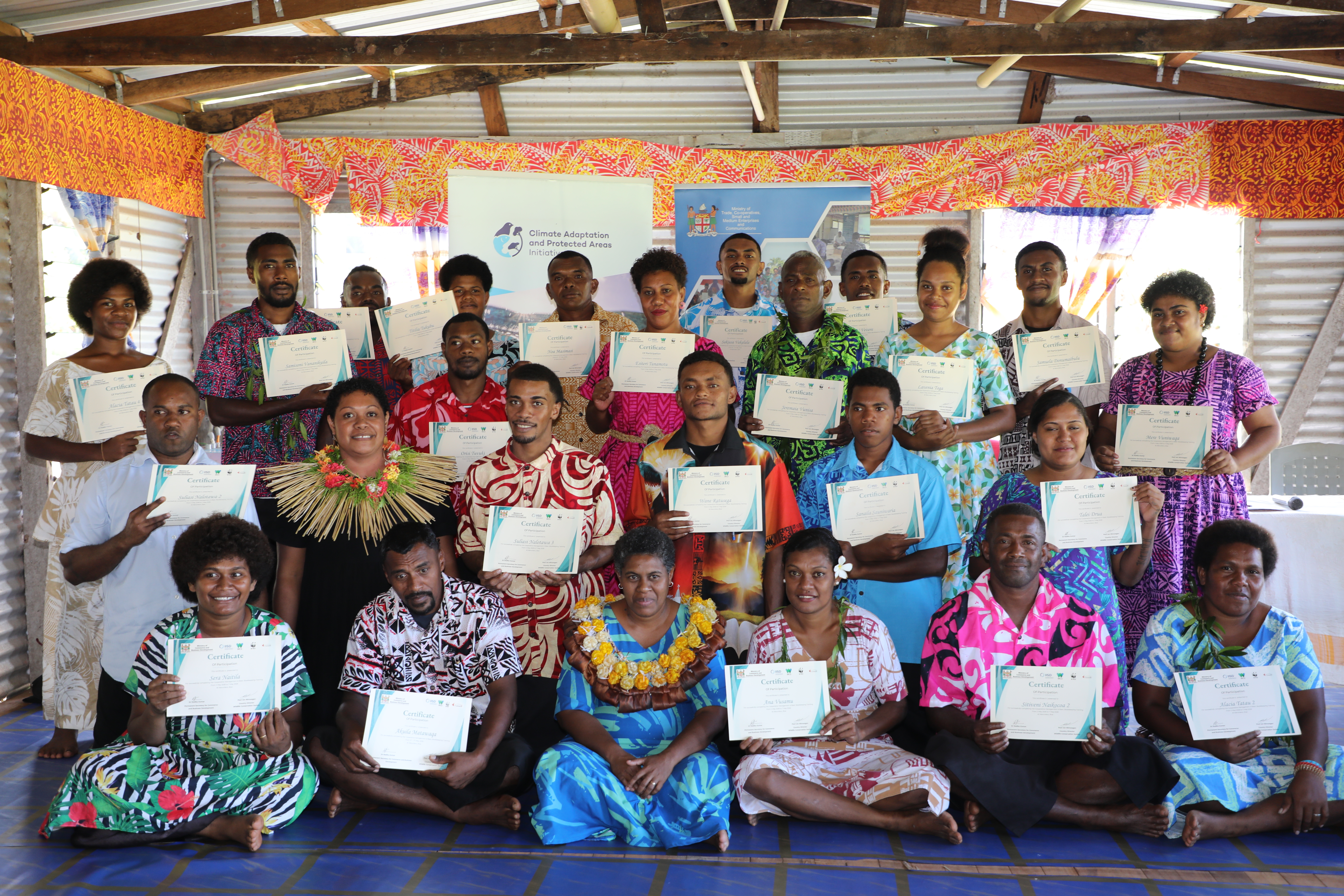
The training is part of the Climate Adaptation and Protected Areas Initiative, which focuses on reducing fishing pressure by creating alternative income-generating opportunities for rural communities.
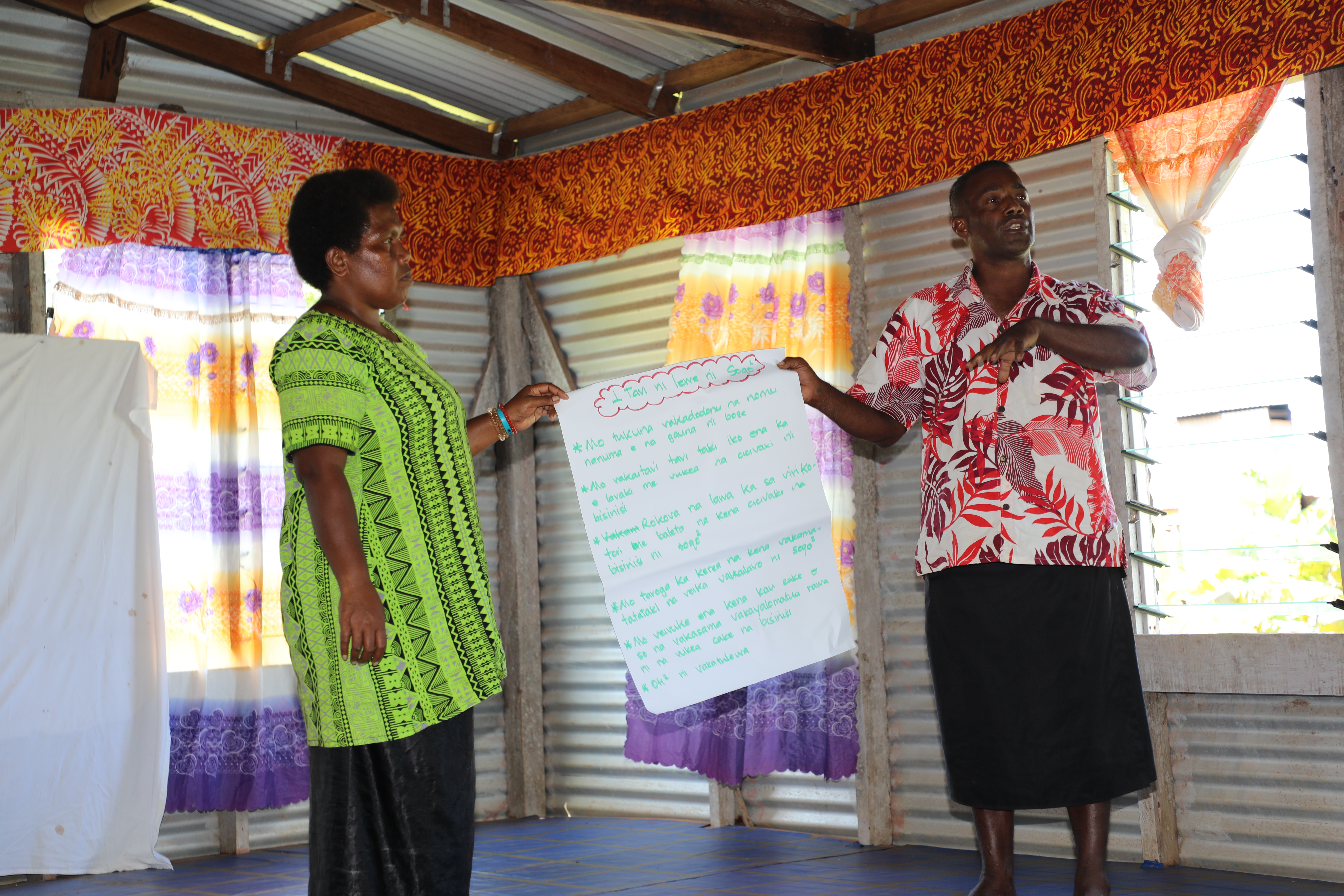
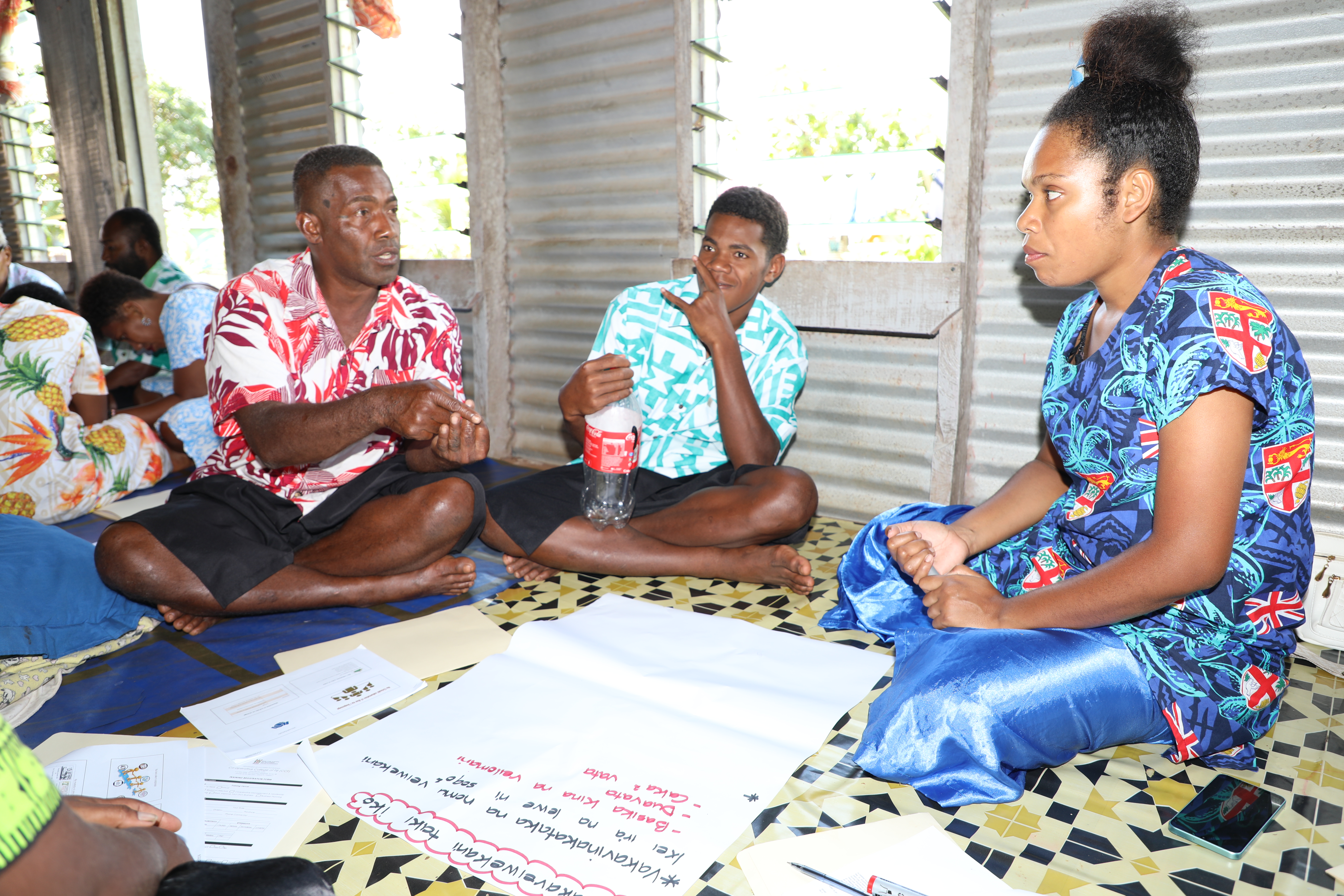
Throughout the training, participants were introduced to key areas such as business management, bookkeeping, leadership, cooperative operations, and proper record keeping. The sessions also encouraged youths to explore ways in which they can work together to improve their economic well-being through cooperative businesses.
Suliasi Nalotawa, who is the Chairman of the Navunievu Youth Cooperative, said the training helped him better understand his roles and responsibilities as a leader within the cooperative.
He said the training gave him a clearer understanding of what a cooperative is, how it should be managed, and the by-laws involved in operating one successfully.
Nalotawa added that the training also highlighted some of the challenges cooperatives may face and provided guidance on ways to address those challenges.
“The training has enabled me to understand the proper ways and methods of operating a cooperative,” he said.

He also acknowledged the importance of teamwork and accountability in ensuring the success of the youth cooperative moving forward.
Youth member Sitiveni Naikocoa said the training would greatly benefit youths who have left school by giving them the knowledge and confidence to start small businesses and earn an income for themselves.
He said the training highlighted the importance of being part of a cooperative and described it as an eye-opener for many of the participants.
Naikocoa added that participants learned the importance of proper record keeping and note-taking, which would help them monitor their progress and achievements as a business cooperative.
“We are now able to understand the different types of record keeping and the importance of noting everything down so that by the end of the year we can see what we have achieved as a cooperative,” he said.
Participants also shared that the training gave them motivation to become more active in community initiatives and encouraged them to think about long-term goals for the future of their cooperative.
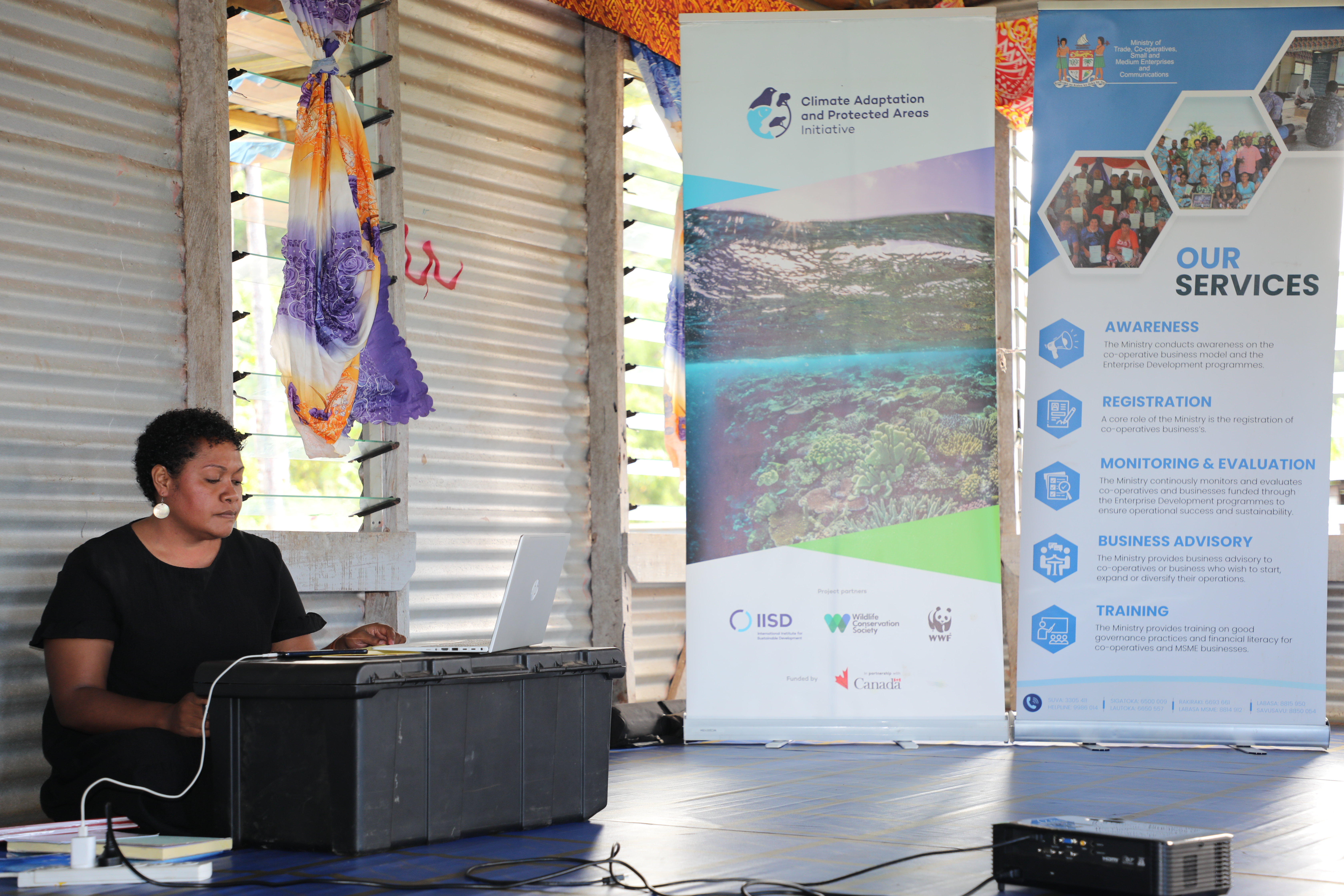
Assistant Manager Training North, Miriama Savunisiga said the training would help alleviate poverty among youths in rural communities by equipping them with practical business knowledge and skills.
She said empowering youths through such initiatives is important in creating sustainable opportunities and helping communities become more self-reliant.

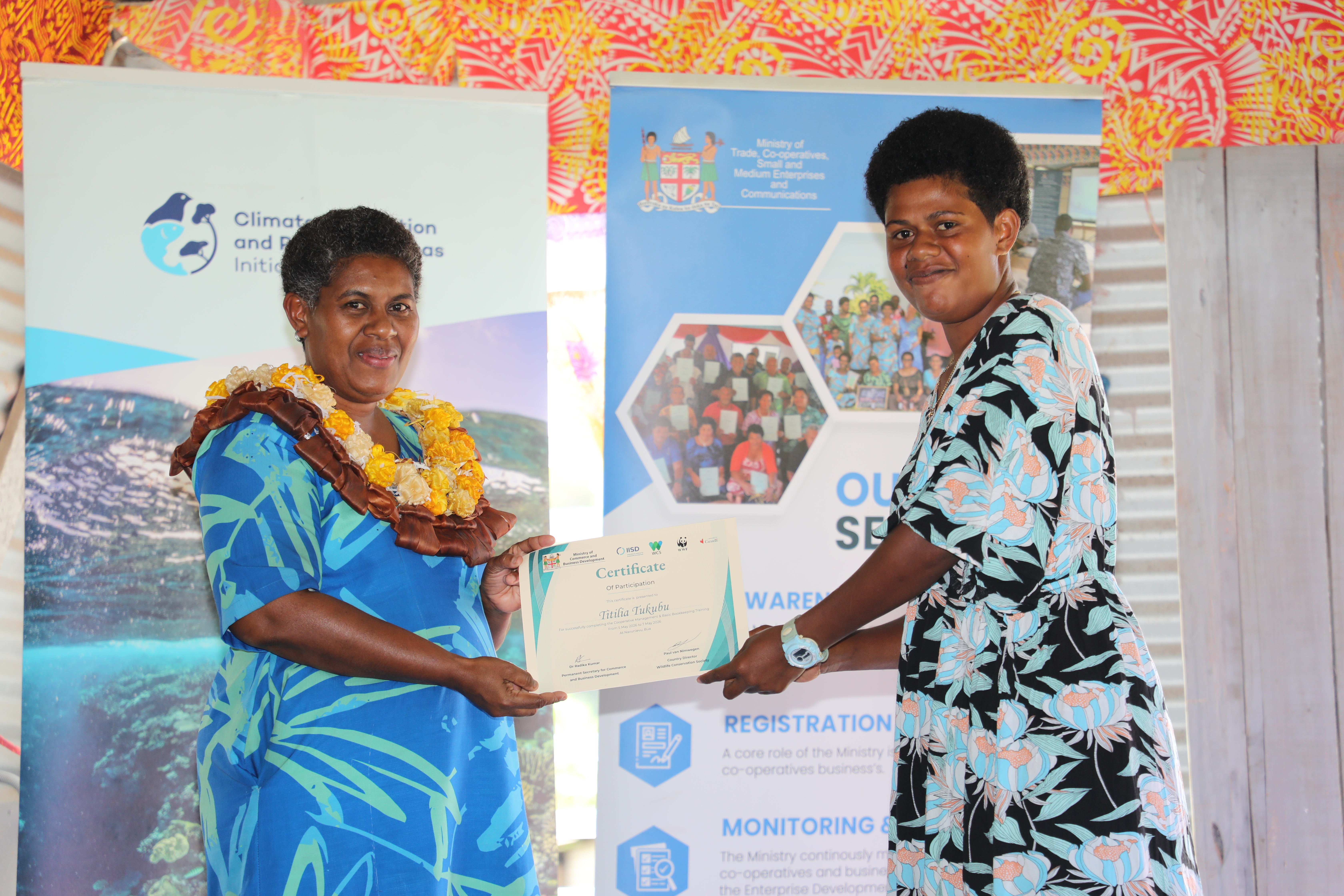
The training concluded with participants expressing their appreciation for the opportunity and their commitment to applying the knowledge gained to strengthen the Navunievu Youth Cooperative and support future community development initiatives.
The initiative is being implemented in partnership with the International Institute of Sustainable Development and funded through Global Affairs Canada.
-ENDS-