In the coastal communities of Bua, where tradition and livelihood are deeply intertwined, a recent training initiative is helping women turn cultural knowledge into sustainable economic opportunity.
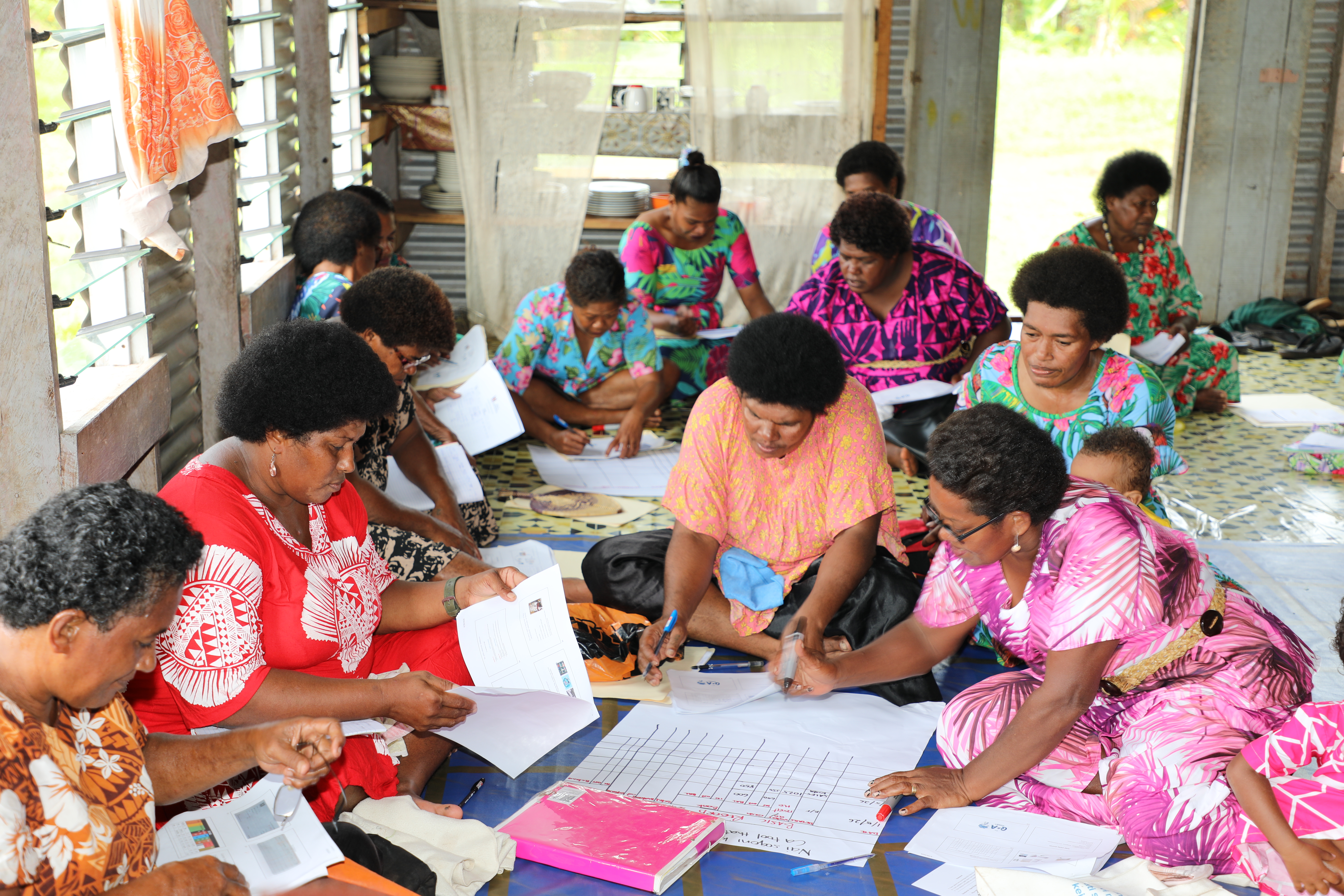
Earlier this month WCS had conducted a Business Management and Bookkeeping Training for the women of Bua District, aimed at strengthening their ability to manage three emerging cooperatives: the Waitabu Women’s Cooperative, Bainivalu Women’s Cooperative and the Tacilevu Women’s Provisional Cooperative Limited. At the heart of their enterprise is kuta (reed), a natural resource long valued in the province for its cultural and practical uses.
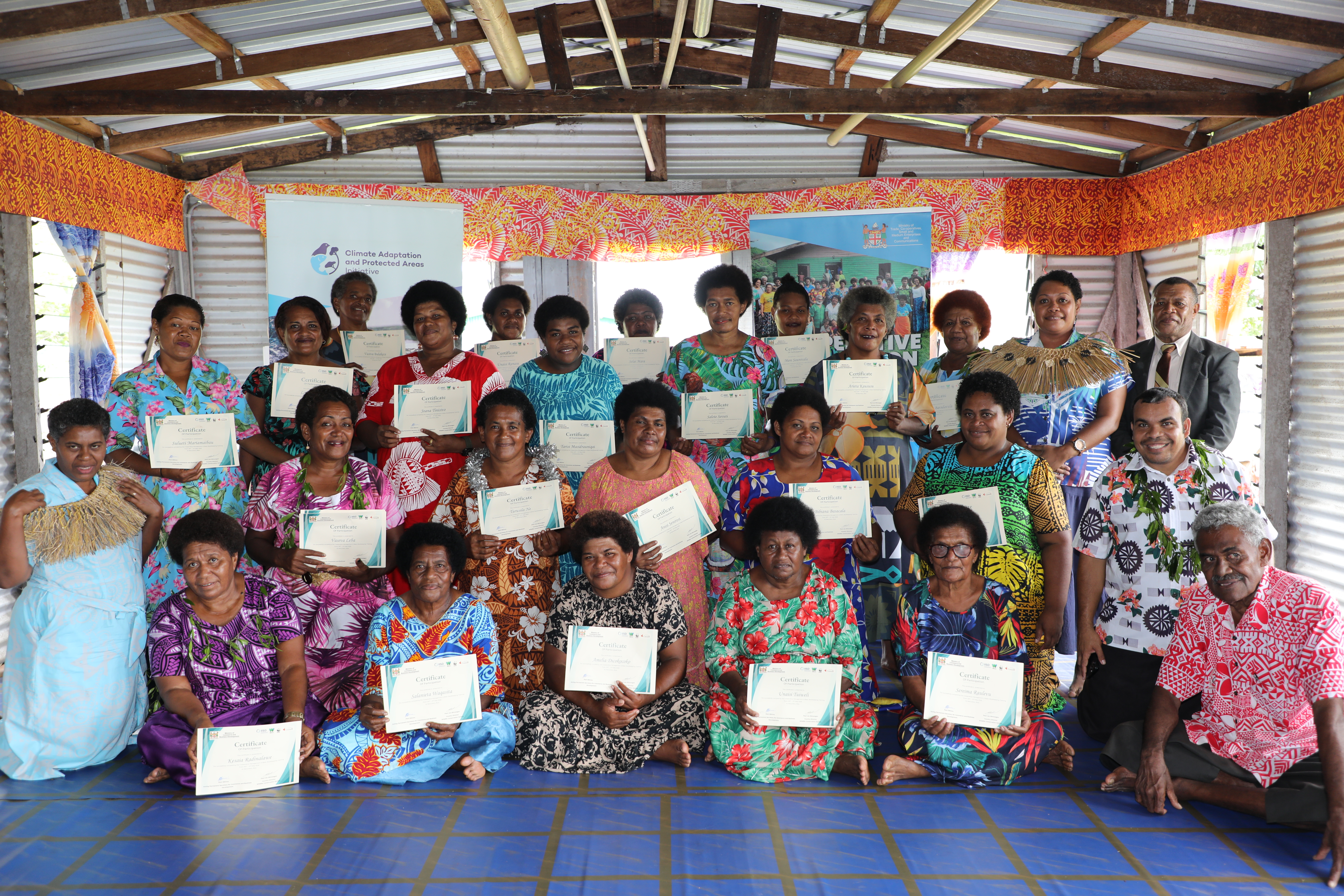
Kuta products ranging from traditional wedding attire and ceremonial garlands to home décor and woven mats are not only symbols of identity but also a growing source of income for local families. With the right business skills, these women are now better positioned to transform their craftsmanship into sustainable livelihoods.
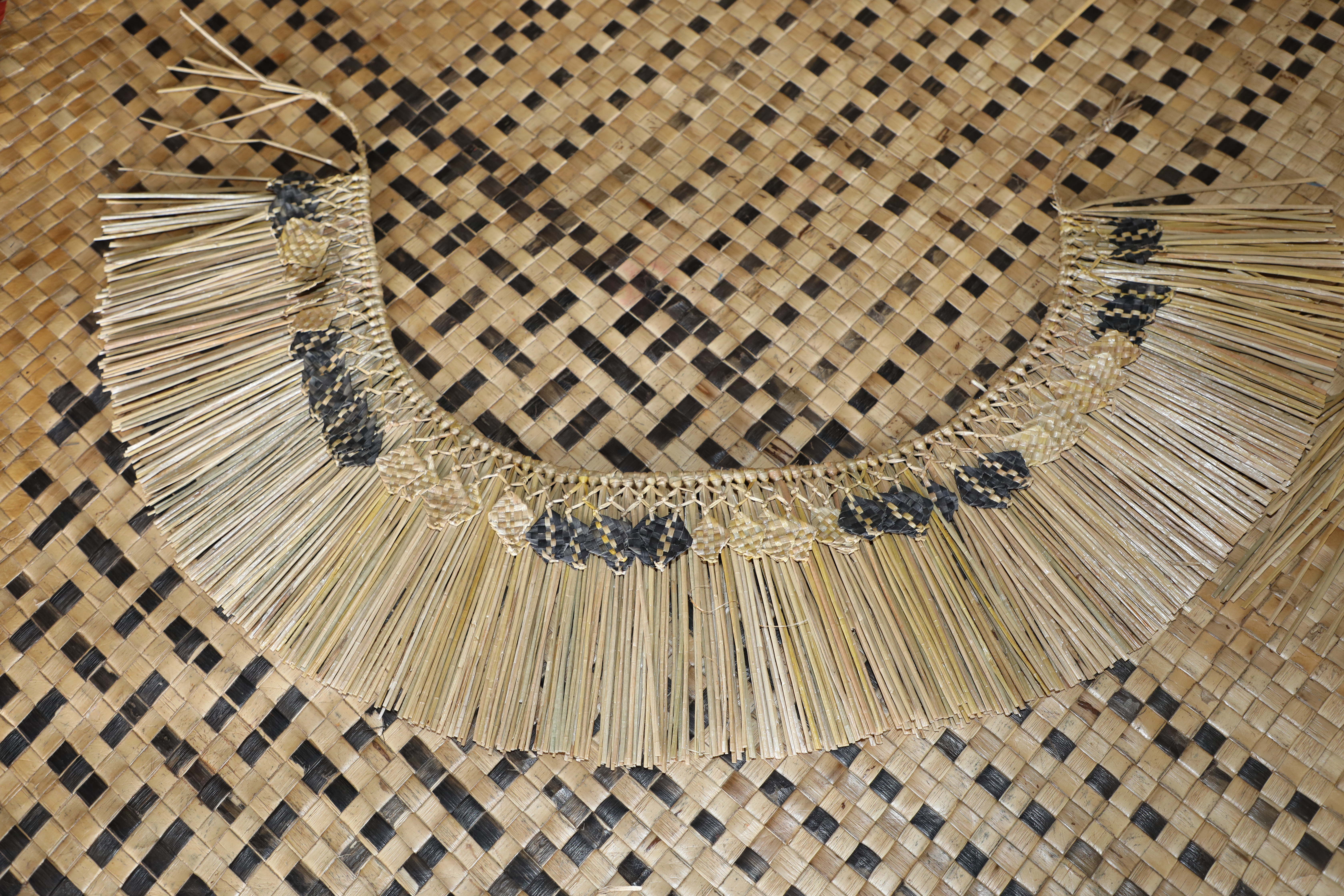
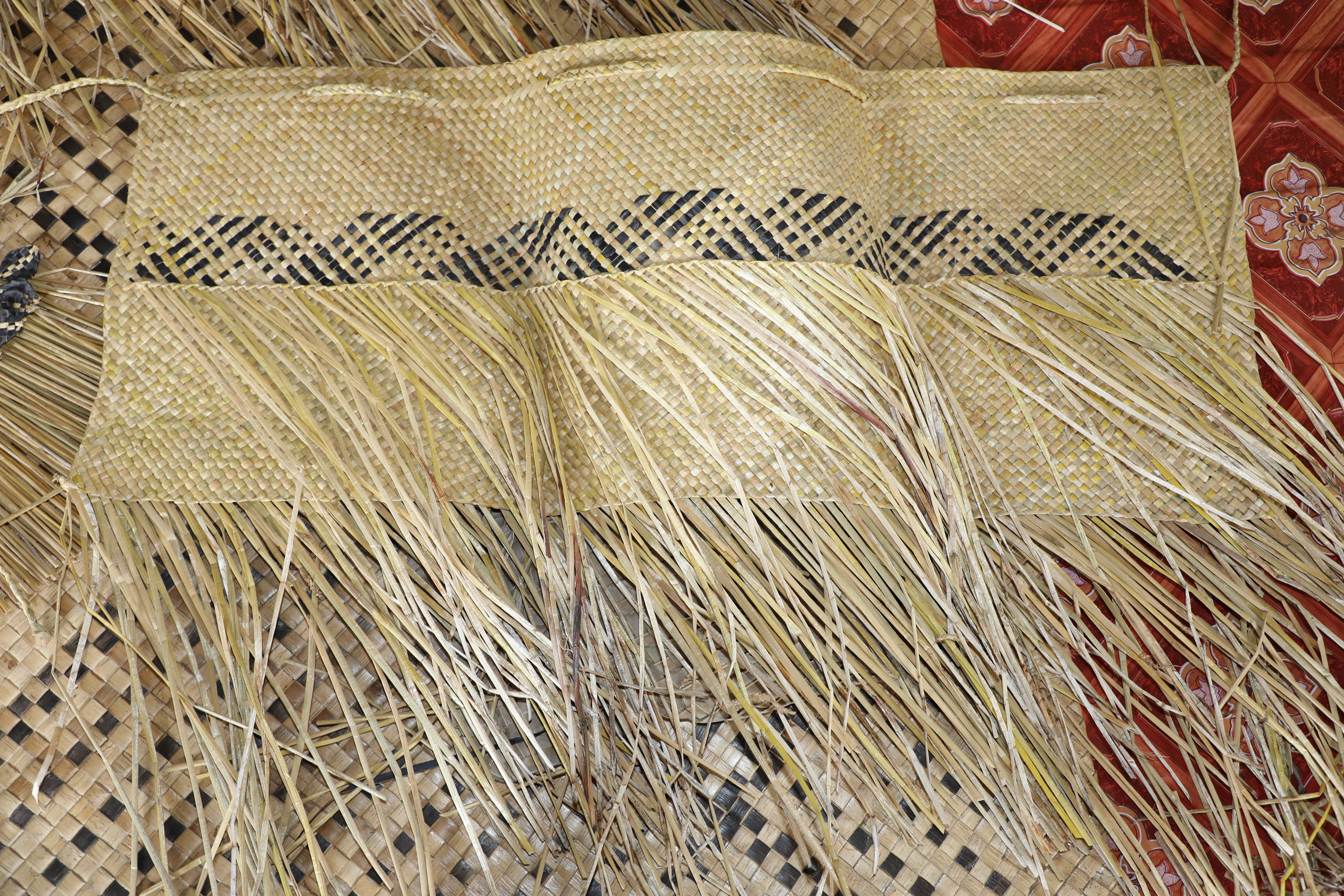
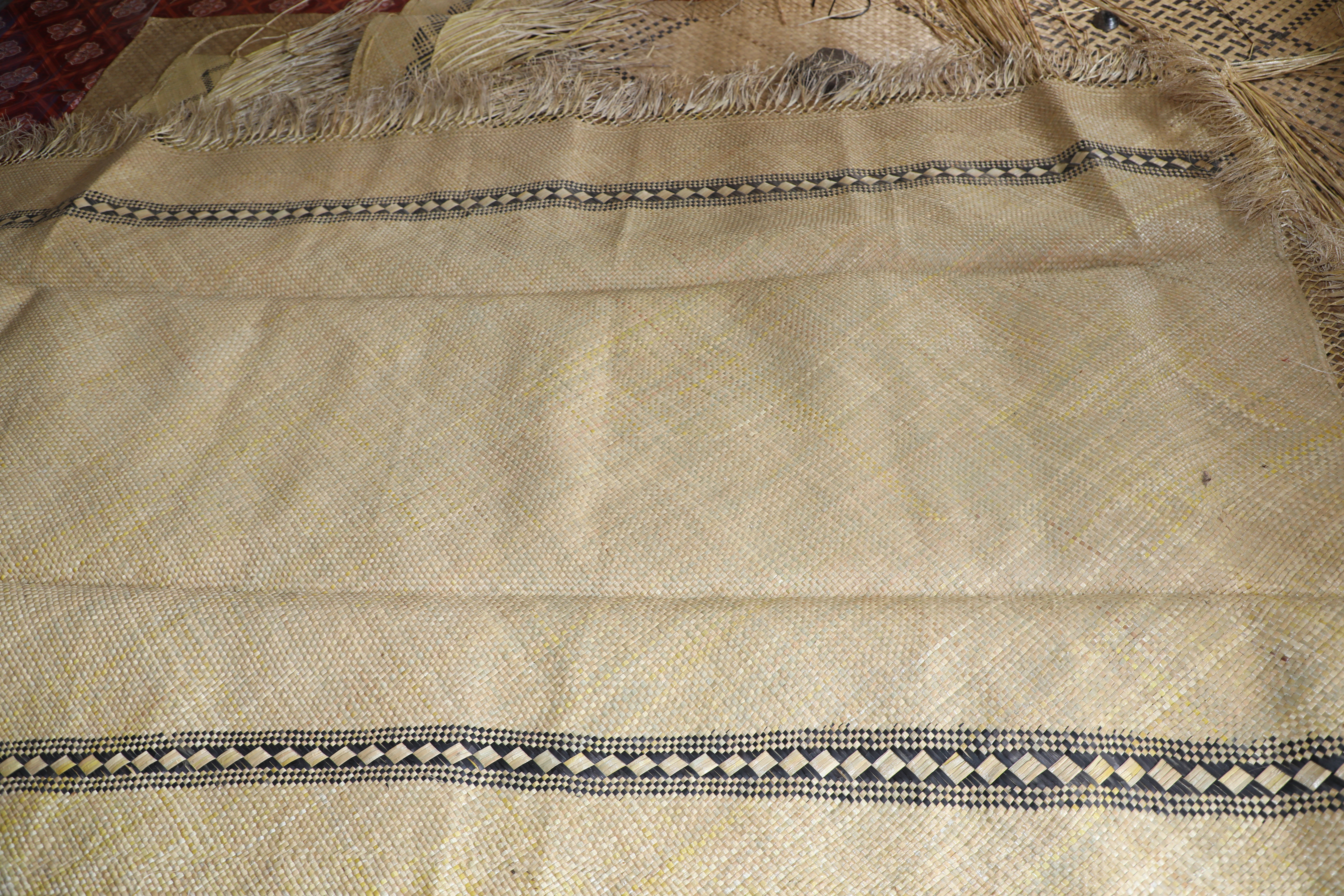
Tacilevu Women’s Provisional Cooperative Limited Vice Chair, Vaseva Leba, acknowledged the impact of the training, “This training has enlightened us and given us the knowledge and skills needed to run a cooperative,” she said. “We sincerely thank Global Affairs Canada for their financial support, which has made this possible. It will help us understand how to operate a business effectively, generate income, and improve our standard of living.”
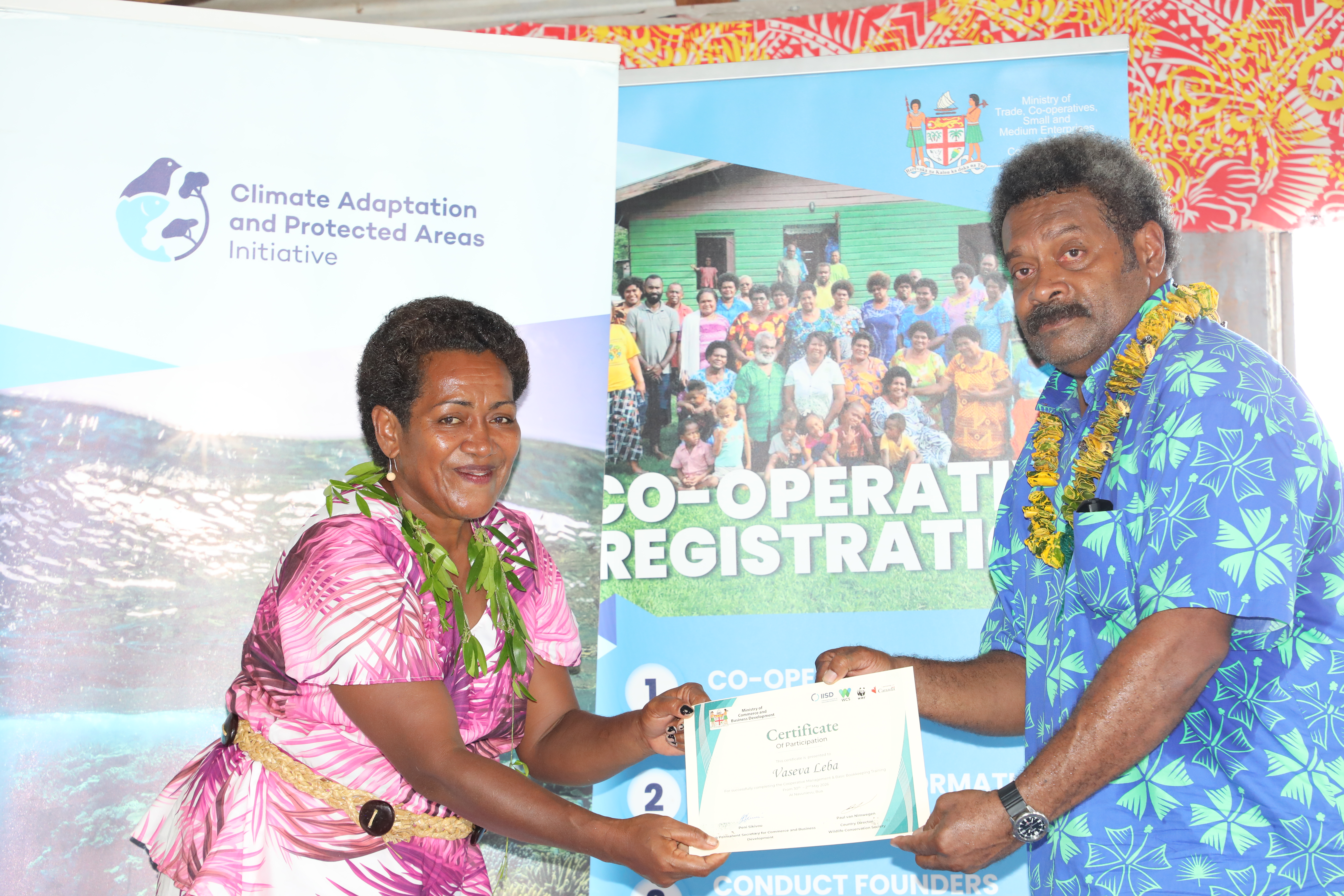
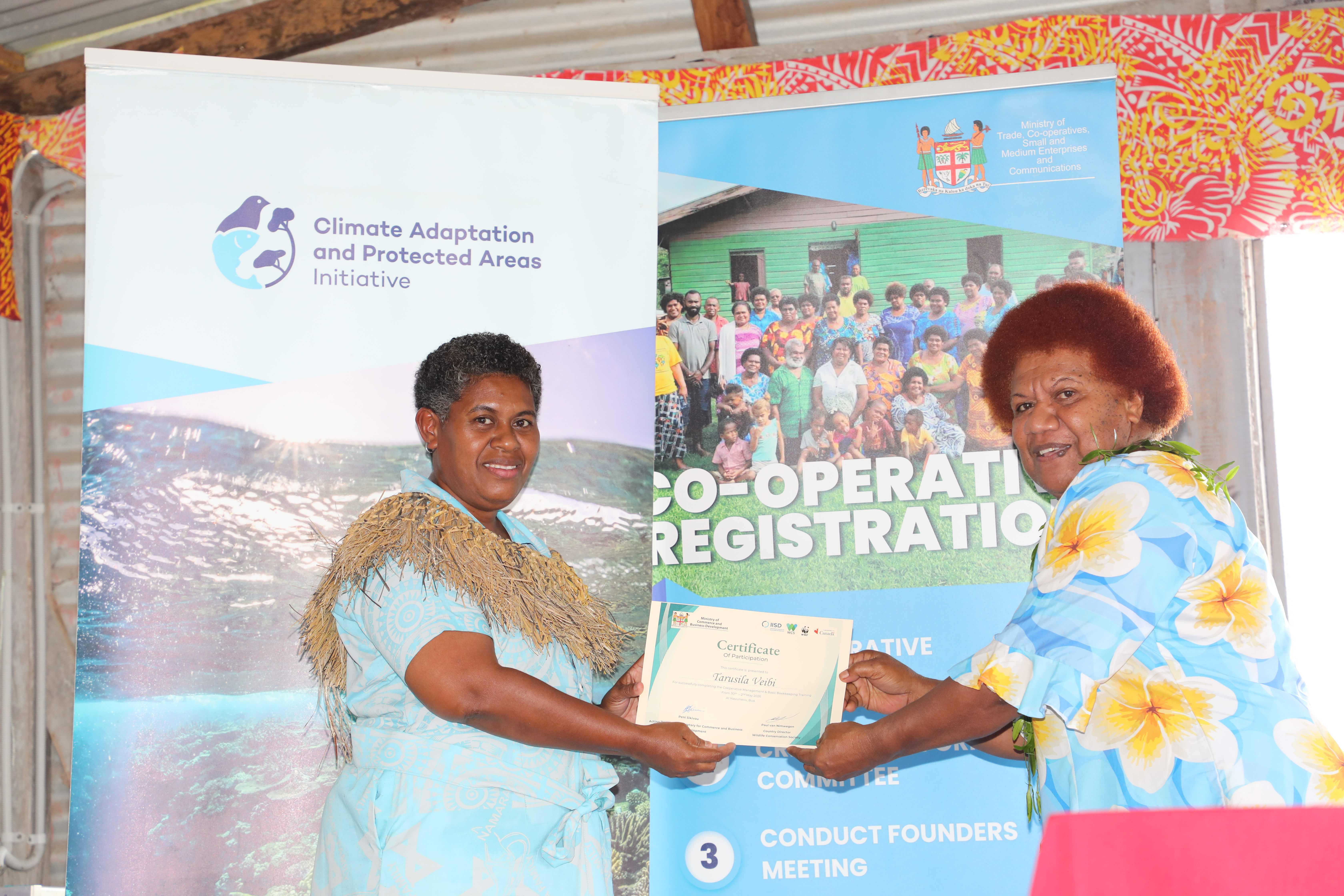
For many participants, the training went beyond financial literacy. It also reawakened cultural pride and collective purpose. Participant Tarusila Veibi shared how the sessions reinforced the importance of kuta to the women of Bua.
“This training has helped us understand the significance of the kuta plant, which Bua has always been known for,” she said. “It has revived traditional weaving knowledge among women and reminded us of the importance of working together as members of a community.”
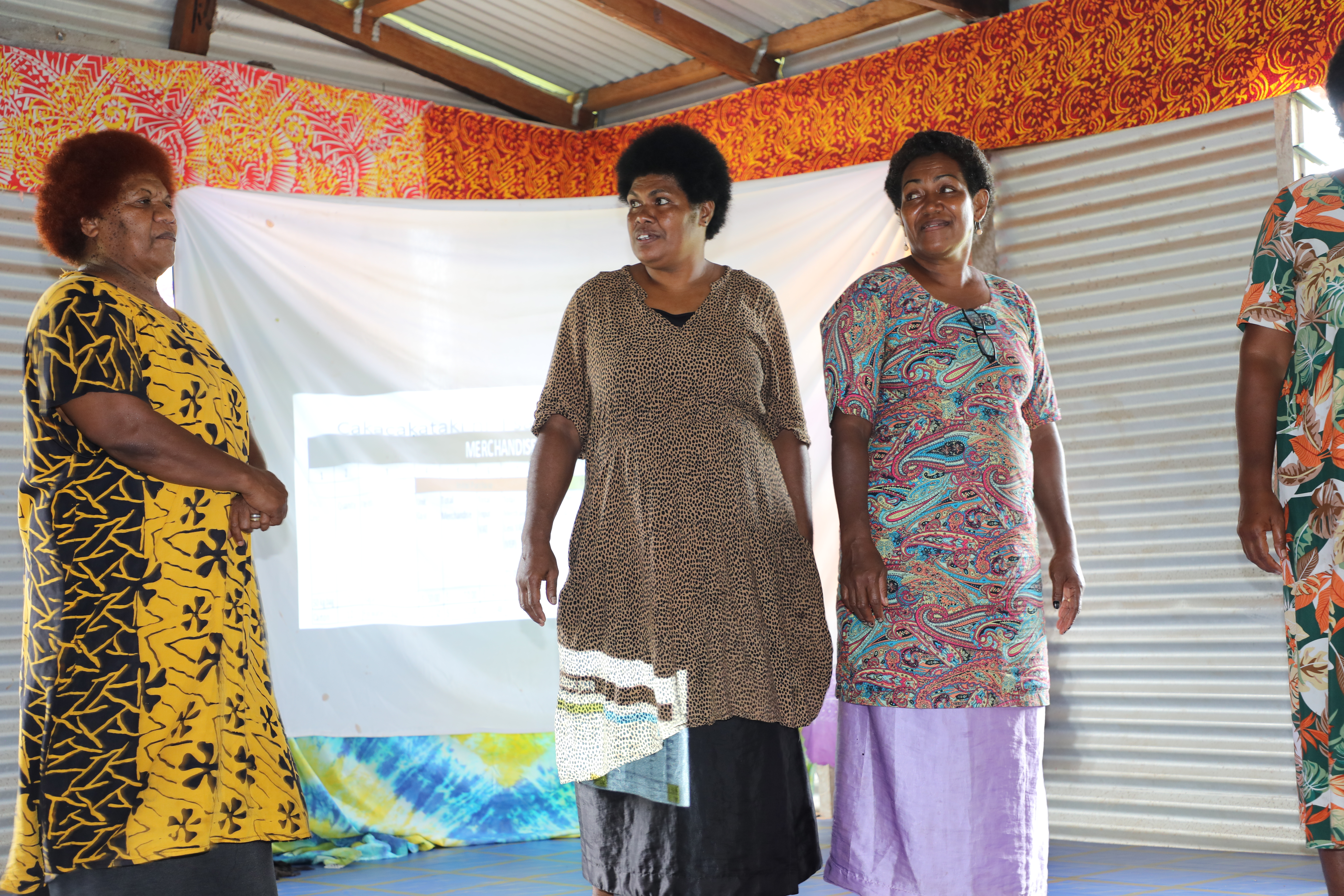
The initiative targets resource-dependent Indigenous communities in the Bua District, where livelihoods often rely heavily on natural resources. By creating alternative income streams through cooperative businesses, the initiative aims to reduce fishing pressure on marine protected areas and minimize the risk of poaching. At the same time, it promotes climate-resilient economic activities and expands opportunities for women and youth.
Ministry of Commerce and Business Development Assistant Manager Training, Miriama Savunisiga, emphasized that the benefits of such training extends beyond financial gains.
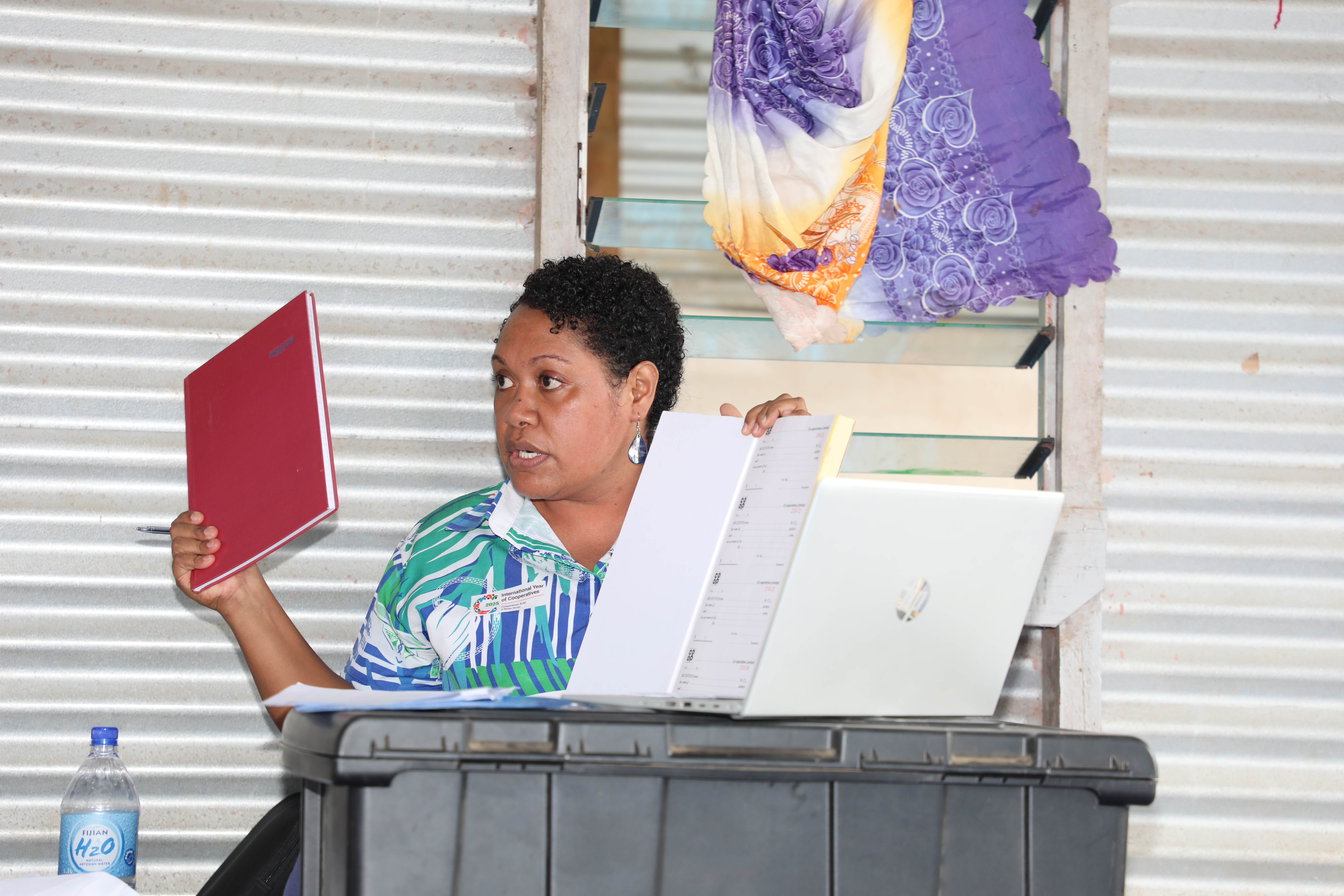
“It helps develop essential soft skills like teamwork, communication, and conflict resolution, as members work together toward a common goal,” she explained. “Cooperative training is a key pathway for communities to move from poverty to economic stability. It strengthens self-sufficiency, creates job opportunities, and ensures that income stays within the community.”
She added that empowering women and youth in leadership and management roles is critical. By overcoming social barriers and fostering stable incomes, families are better able to invest in education, meet healthcare needs, and build more secure futures.

As the women of Bua continue to weave kuta into intricate designs, they are also weaving a new narrative one of resilience, cooperation, and economic empowerment rooted in tradition.
This initiative is part of the Climate Adaptation and Protected Areas Initiative, implemented in partnership with the International Institute of Sustainable Development and funded by Canada’s International Development through Global Affairs Canada.